An NI Water scheme that worked closely with farmers and landowners to improve the quality of raw water in a key Co Armagh catchment has successfully concluded.
NI Water says the Farming for Water scheme leaves a lasting legacy for the environment and the 4,000 people who rely on the catchment for quality drinking water.
The initiative which ran from 2023, focused on the Clay Lake and Gentle Owens watercourses near Keady. Over the past 3 years, 29 farmers, landowners and NI Water collaborated to reduce pollution risks, protect wildlife habitats and enhance the quality of water entering Clay Lake Water Treatment Works (WTW).
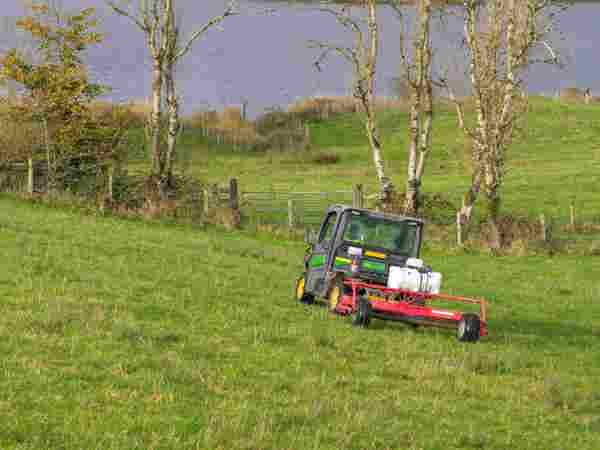
The initiative aimed to improve raw water quality, reduce treatment costs at Clay Lake WTW and support Water Framework Directive objectives. A key feature of the programme was the promotion of weed wiping, where a roller coated with herbicide is drawn across a field, treating only the rushes that touch it. This significantly reduces the risk of chemicals such as MCPA entering waterways.
The improvement programme focused on reducing herbicide losses, improving soil management and preventing sediment and nutrient run‑off into the watercourses that feed Clay Lake.
Targeted delivery on the ground was extensive and included:
- Weed-wiping adopted across approximately 82 hectares as a lower‑risk alternative to MCPA spraying
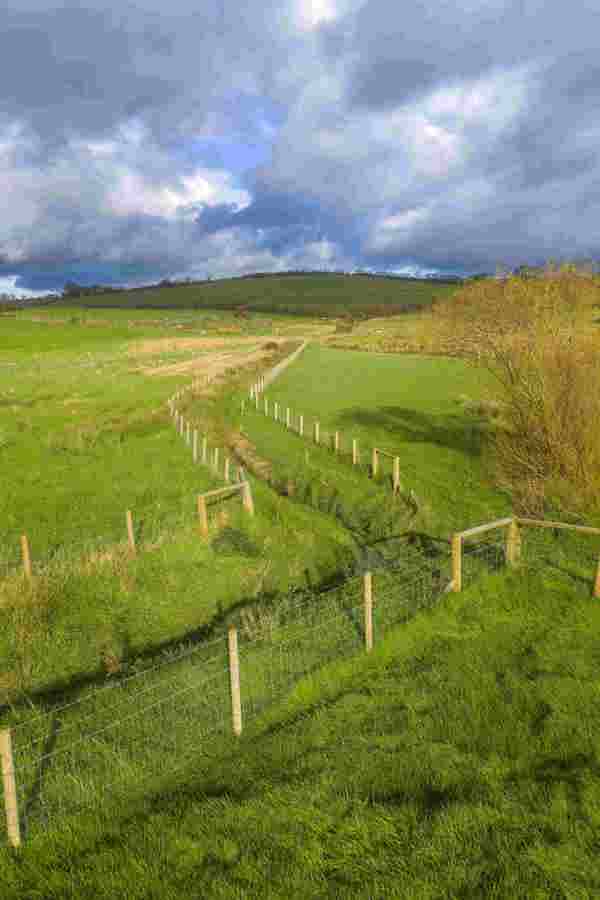
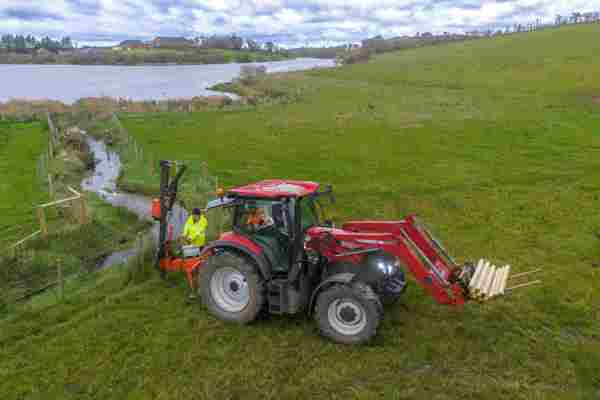
- 15,972 metres of stock‑proof fencing installed across 27 farms to prevent livestock entering watercourses
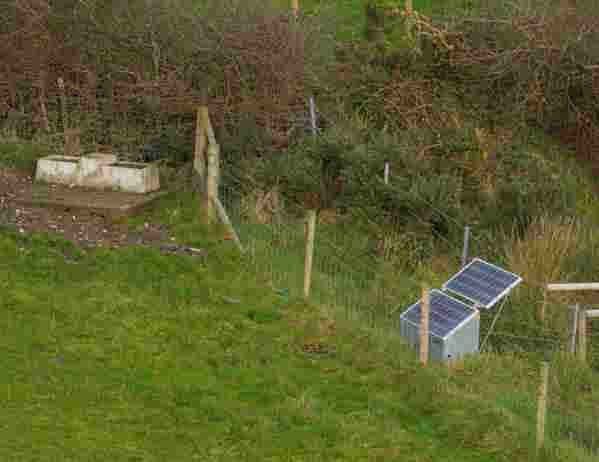
- 63 mains‑fed and 7 solar‑powered drinking troughs provided, supporting alternative watering points
- 3,601 metres of pipework supplied to divert livestock away from riverbanks, reducing erosion and faecal contamination
- 27 farms installing pesticide storage units to minimise the risk of accidental spills and protect nearby watercourses
- 10 farmers completing (Pesticide Application) PA1 and PA2 training
NI Water Catchment Officer Peter John Quinn said: “The Farming for Water Scheme has resulted in raw water improvements across the Clay Lake catchment. Reductions in turbidity, MCPA, ammonia and algal activity show these measures are contributing to cleaner abstraction water.
“Through collaboration with the local farming community to implement on‑farm measures, environmental sustainability has been enhanced as well as future land stewardship for the communities and wildlife around Clay Lake.
“This project demonstrates the positive impact that can be achieved when NI Water and the farming community work together. The commitment shown by local farmers has strengthened environmental protection and helped safeguard the future of Clay Lake for people and wildlife.”
He added: “NI Water extends its sincere appreciation to all participating farmers, landowners and the wider local community for their cooperation, support and commitment throughout the scheme. Their collective efforts have been instrumental in improving water quality and protecting this vital drinking water source for the years ahead.”