

To mark World Nature Conservation Day on 28 July, NI Water is encouraging people across Northern Ireland to check whether they live, work, farm or spend leisure time in a drinking water catchment area - and to take simple steps to help protect the rivers, streams, lakes and reservoirs that supply our drinking water.
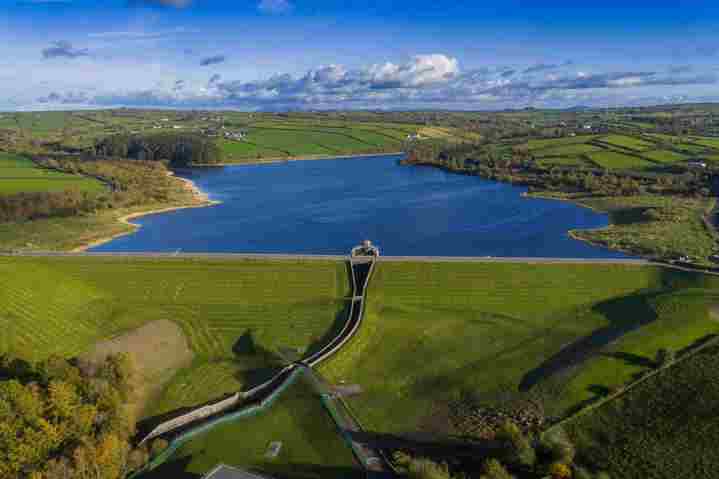
Healthy catchments are vital for protecting water quality, supporting biodiversity and reducing pollution before water reaches the treatment process. A drinking water catchment is an area of land where rainfall drains into a source used for public water supply, meaning everyday activities on that land can affect raw water quality.
NI Water is asking the public, landowners, farmers, businesses and recreational users to play their part by using its online catchment information to see where their drinking water comes from, understand local risks, and learn practical ways to help protect water quality.
Kerry Morris, Catchment Officer at NI Water, said: “Protecting drinking water starts long before water reaches our treatment works. The quality of raw water is influenced by what happens across the land that drains into our rivers, lakes and reservoirs, so everyone has a role to play to help protect it.
“By checking NI Water’s catchment map and taking simple actions - from using pesticides responsibly to disposing of waste properly and reporting pollution - people really can help protect the water sources we all rely on every day.”
Everyone can help protect water sources by following a few simple steps:
- Dispose of chemicals, oil, medicines, cleaning products and hazardous substances responsibly and never pour them down the sink, drains or into watercourses.
- Use pesticides, herbicides and fertilisers carefully and only when needed, and always follow product guidance, particularly near drains, ditches, streams and rivers.
- Pick up litter and dog waste, especially near water, paths, parks and recreation areas.
- Maintain septic tanks and private wastewater systems so they do not leak or overflow.
- Use commercial car washes where wastewater is properly treated.
- Report signs of pollution, such as discoloured water, oil spills, dead fish, illegal dumping, unusual smells, or suspected chemical spills.
- Farmers and landowners can also help by managing nutrients carefully, storing slurry and manure appropriately, keeping livestock away from watercourses and maintaining buffer strips along rivers.
Ends
Notes to editors
- NI Water manages drinking water catchments across Northern Ireland through its Sustainable Catchment Area Management Programme (SCaMP), working with partners to protect and improve raw water quality before it reaches the treatment process.
- Through its Catchment Management Plans, NI Water’s SCaMP team identifies local pressures on raw water quality and works with farmers, landowners, regulators, environmental organisations and communities to protect and improve water sources.
- To find out more about NI Water’s SCaMP team and the work they do, go to: www.niwater.com/sustainable-development/scampni
Media enquiries to the NI Water Press Office via email to press.office@niwater.com